
HantavirusMap Blog
Hantavirus Prevention
A practical prevention checklist for homes, cabins, storage rooms, campsites, and cleanup after rodent activity.
# How to Prevent Hantavirus Infection
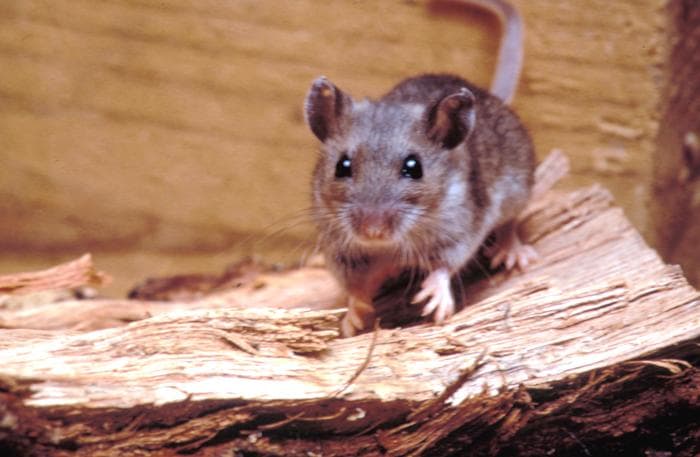
Hantavirus prevention is mostly an exposure-control problem. The goal is not to identify every rodent species. The goal is to keep rodents out, avoid stirring contaminated dust into the air, and clean contaminated spaces with wet methods instead of dry sweeping.
This guide is written for homes, cabins, garages, sheds, storage rooms, barns, campsites, and travel lodging where rodent activity is possible.
The prevention rule in one line
Do not sweep, vacuum, or blow dust from rodent-contaminated areas. Wet the area with disinfectant first, let it sit, then wipe or mop.
That one habit matters because people are most often exposed when virus particles from rodent urine, droppings, saliva, or nesting material become airborne.
Before you enter a closed space
Use this checklist before opening a cabin, shed, garage, basement, storage unit, or rarely used room:
- Open doors and windows for at least 30 minutes before cleanup.
- Leave the space during ventilation.
- Look for droppings, nests, gnaw marks, food damage, and urine stains.
- Do not start by sweeping, vacuuming, leaf blowing, or using compressed air.
- Put on disposable gloves before touching contaminated material.
- Use a disinfectant or a fresh bleach solution.
If rodent activity is heavy, or if the space is enclosed and dusty, treat it as a higher-risk cleanup rather than a quick chore.
Safe cleanup protocol
Follow this sequence for droppings, urine, nesting material, or dead rodents:
- Ventilate the area.
- Wear disposable gloves. Add eye protection and a respirator if dust or heavy contamination is likely.
- Spray droppings, urine, nests, and nearby surfaces with disinfectant.
- Let the disinfectant sit for at least 5 minutes, or follow the product label.
- Wipe up material with paper towels.
- Place waste into a sealed bag.
- Put that sealed bag into a second bag when contamination is heavy.
- Mop or wipe surrounding surfaces with disinfectant.
- Wash gloved hands, remove gloves, then wash hands again.
The important detail is contact time. Spraying and immediately wiping gives the disinfectant less time to work.
Seal the building first
Cleaning helps, but prevention fails if rodents can re-enter the same night.
- Seal openings larger than 1/4 inch.
- Use steel wool, metal mesh, flashing, caulk, or concrete patch.
- Check door sweeps, garage doors, crawlspace vents, attic vents, utility penetrations, and gaps around pipes.
- Store pet food, bird seed, grains, and pantry goods in rodent-resistant containers.
- Keep grass, weeds, stacked wood, and debris away from exterior walls.
- Remove abandoned vehicles, trash piles, and clutter that create nesting sites.
Place traps after sealing entry points. Traps without exclusion can reduce activity temporarily, but they do not fix the building.
Camping and travel precautions
Risk is not limited to houses. Use the same logic for cabins, field housing, campsites, and expedition travel:
- Avoid sleeping in cabins or shelters with visible rodent activity.
- Keep food in sealed, rodent-resistant containers.
- Do not sleep directly on bare ground in rodent-prone areas.
- Keep tents zipped and food away from sleeping areas.
- Air out unused cabins before occupying them.
- Report rodent signs to lodging operators instead of cleaning heavily contaminated rooms yourself.
For cruise, expedition, and remote travel scenarios, the map can help identify reported case locations, but it cannot determine whether your room, cabin, tent, or storage area was contaminated.
What counts as a possible exposure?
Consider it a meaningful exposure if you:
- Cleaned rodent droppings, urine, nesting material, or dead rodents.
- Slept or worked in a rodent-infested building.
- Stirred dust in a closed space with signs of rodents.
- Handled traps or dead rodents without proper protection.
- Had direct contact with rodent waste and then touched your face, eyes, nose, or mouth.
Most exposures do not lead to infection, but they are worth remembering if symptoms develop later.
After a possible exposure
There is no routine post-exposure medicine that reliably prevents hantavirus disease. The practical response is symptom monitoring.
- Write down the exposure date, place, and what happened.
- Watch for fever, unusual fatigue, muscle aches, headache, dizziness, chills, nausea, vomiting, diarrhea, abdominal pain, cough, or shortness of breath.
- Tell a clinician about the rodent exposure if symptoms appear.
- Seek urgent care if breathing symptoms develop.
Hantavirus illness can appear days to weeks after exposure. A clear exposure history helps clinicians consider the diagnosis earlier.