
HantavirusMap Blog
What Is Hantavirus?
A practical guide to hantavirus, how it spreads, why rodent exposure matters, and how to interpret case signals on a live map.
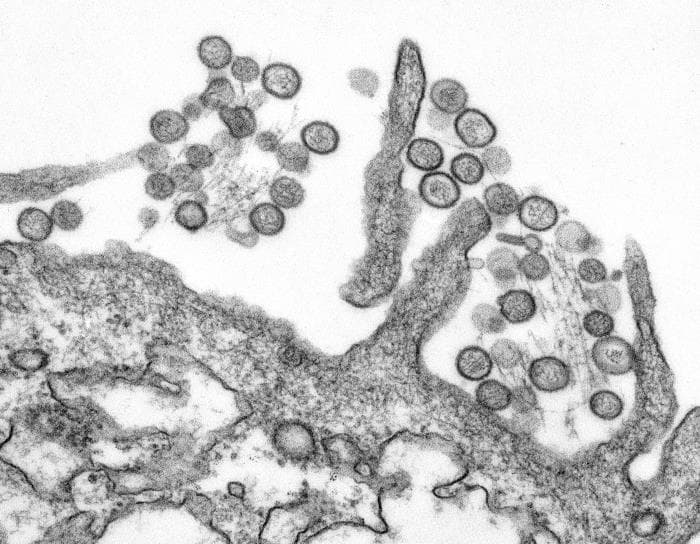
# What Is Hantavirus?
Hantaviruses are a group of viruses carried mainly by rodents. Different hantaviruses are linked to different rodent hosts and regions. In the Americas, the illness people worry about most is hantavirus pulmonary syndrome, a rare but severe disease that can progress to respiratory failure.
The practical point is simple: hantavirus risk is usually tied to exposure to infected rodents or their waste, not casual contact with public spaces.
How infection usually happens
People most often become infected by breathing in contaminated dust from rodent urine, droppings, saliva, or nesting material. The risk rises when dry material is disturbed in enclosed or poorly ventilated spaces.
Common exposure settings include:
- Cleaning sheds, cabins, garages, barns, basements, or storage rooms.
- Sleeping in rodent-infested cabins or shelters.
- Handling traps, nests, or dead rodents.
- Sweeping or vacuuming rodent droppings.
- Camping or field work in places with rodent activity.
Less common routes can include direct contact with rodent waste, touching contaminated material and then touching the face, or being bitten by an infected rodent.
Can hantavirus spread person to person?
Most hantaviruses are not known to spread from person to person. The main exception is Andes virus, which has been associated with limited person-to-person transmission, especially through close contact with an infected person.
That distinction matters during outbreak review. A map signal linked to Andes virus is interpreted differently from a routine rodent-exposure case because contact monitoring may become more important.
What diseases can hantaviruses cause?
Hantaviruses are associated with two major disease patterns:
- Hantavirus pulmonary syndrome, seen mainly in the Americas, with severe lung involvement.
- Hemorrhagic fever with renal syndrome, seen mainly in Europe and Asia, with kidney and bleeding-related features.
This site focuses on public outbreak signals and map context. It does not diagnose disease or replace health authority guidance.
Why geography matters
Location matters because rodent hosts, climate, building conditions, travel routes, and exposure events are local. A case report on a map is not just a dot. Useful context includes:
- Where the likely exposure occurred.
- Where symptoms or testing were reported.
- Whether the case was travel-linked.
- Whether a cluster is tied to a shared location.
- Whether the virus type suggests routine rodent exposure or possible contact monitoring.
That is why a source-linked map is more useful than a raw case count.
How to read a hantavirus map responsibly
A live map can help answer awareness questions:
- Are there reviewed signals near a travel route or region?
- Are reports isolated, clustered, or linked to a shared event?
- Are sources official, clinical, news-based, or contextual?
- Is the dot a confirmed case, monitoring signal, or background risk note?
It cannot answer personal medical questions:
- It cannot tell whether you were exposed.
- It cannot rule out disease.
- It cannot estimate your individual risk from a single dot.
- It cannot replace a clinician or public health authority.
What to do with a map signal
Use map signals as prompts for better questions:
- Check the source and date.
- Look for whether the signal is confirmed, suspected, or contextual.
- Compare location with your own exposure history.
- Follow local health authority guidance.
- If you develop symptoms after rodent exposure, tell a clinician about the exposure.