
HantavirusMap Blog
Hantavirus Symptoms
A symptom timeline for hantavirus pulmonary syndrome, including exposure history, early warning signs, and emergency red flags.
# Hantavirus Symptoms: What to Watch For
Hantavirus pulmonary syndrome can begin like many common viral illnesses, then progress into serious breathing trouble. The useful question is not simply "Do I feel sick?" It is "Did I have a plausible rodent exposure, and are my symptoms moving toward the lungs?"
This article is not a diagnostic tool. It is a practical triage guide for people who had possible exposure to rodents, rodent droppings, urine, nests, or contaminated dust.
Start with the exposure window
Symptoms usually appear after an incubation period that can range from about 1 to 8 weeks after exposure. That range matters because a person may not connect today's fever with a cabin cleanup, storage-room sweep, camping trip, or rodent-infested lodging from several weeks ago.
Write down:
- Date of possible exposure.
- Location and type of building or outdoor setting.
- Whether droppings, nests, dead rodents, or dust were present.
- Whether sweeping, vacuuming, or dry cleanup occurred.
- Whether gloves, respiratory protection, and disinfectant were used.
That information can be more useful to a clinician than a vague statement like "I might have been around rodents."
Early symptoms
Early hantavirus illness often resembles influenza or another viral syndrome.
Common early symptoms include:
- Fever.
- Severe fatigue.
- Muscle aches, often in large muscle groups.
- Headache.
- Dizziness or chills.
- Nausea, vomiting, diarrhea, or abdominal pain.
These symptoms alone do not prove hantavirus. They become more concerning when they follow a plausible rodent exposure.
Respiratory red flags
Seek urgent medical care if early symptoms are followed by:
- New or worsening cough.
- Shortness of breath.
- Chest tightness.
- Fast breathing.
- Trouble walking across a room without breathlessness.
- Blue lips or severe weakness.
- Confusion, fainting, or signs of shock.
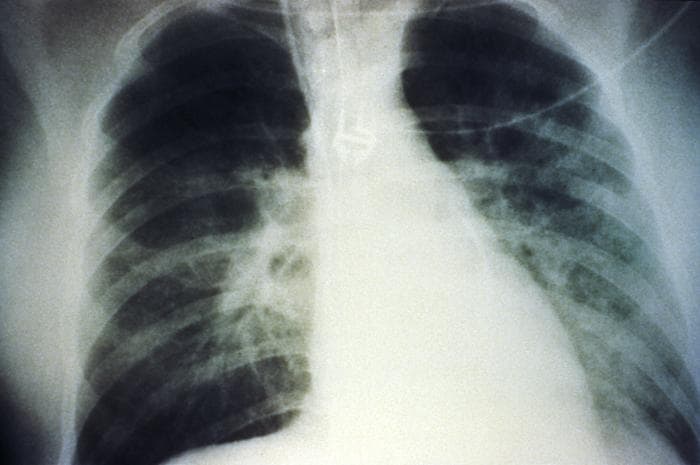
Late-stage hantavirus pulmonary syndrome can involve fluid filling the lungs and a rapid drop in oxygen levels. This is an emergency, not a "wait and see" situation.
What to tell the clinician
Be specific. Say something like:
"I cleaned a closed shed with rodent droppings 18 days ago. I swept before disinfecting. Now I have fever, muscle aches, and shortness of breath."
Helpful details include:
- The exposure date.
- The type of exposure.
- Whether dry sweeping or vacuuming occurred.
- Travel history.
- Known cases or outbreak signals near the location.
- Any worsening breathing symptoms.
Clear exposure history helps clinicians decide whether to evaluate for hantavirus and whether hospitalization or specialist input is needed.
What treatment usually means
There is no broadly used specific cure for hantavirus pulmonary syndrome. Care is supportive and time-sensitive. In severe cases, patients may need oxygen, intensive care monitoring, mechanical ventilation, fluid and blood-pressure support, or transfer to a higher-level facility.
Earlier recognition improves the chance that severe respiratory decline is managed in the right setting.
Symptom checklist
Use this checklist after a possible exposure:
- Day of exposure: record the place and activity.
- Weeks after exposure: watch for fever, fatigue, muscle aches, headache, dizziness, chills, nausea, vomiting, diarrhea, or abdominal pain.
- If symptoms start: call a clinician and mention rodent exposure directly.
- If breathing symptoms appear: seek emergency care.
- If symptoms worsen quickly: do not drive yourself if you feel faint or short of breath.